The Dunstan Baby Language Story

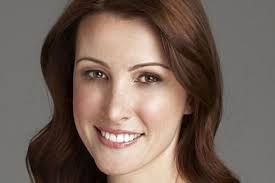
Smiling woman with brown hair against a gray background

Priscilla Dunstan

Australian Priscilla Dunstan could hear a piece of music by Mozart just once and play it back on her violin when she was only five years old. Her father, director of the educational research centre at the University of New South Wales, discovered that his daughter had a ‘photographic memory’ for sound.


As a teenager, Priscilla toured Europe and Australia as a talented concert violinist. She then spent more than 10 years in the world of opera as a mezzo-soprano.   
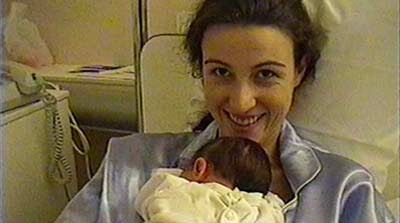
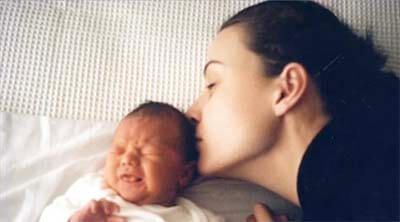
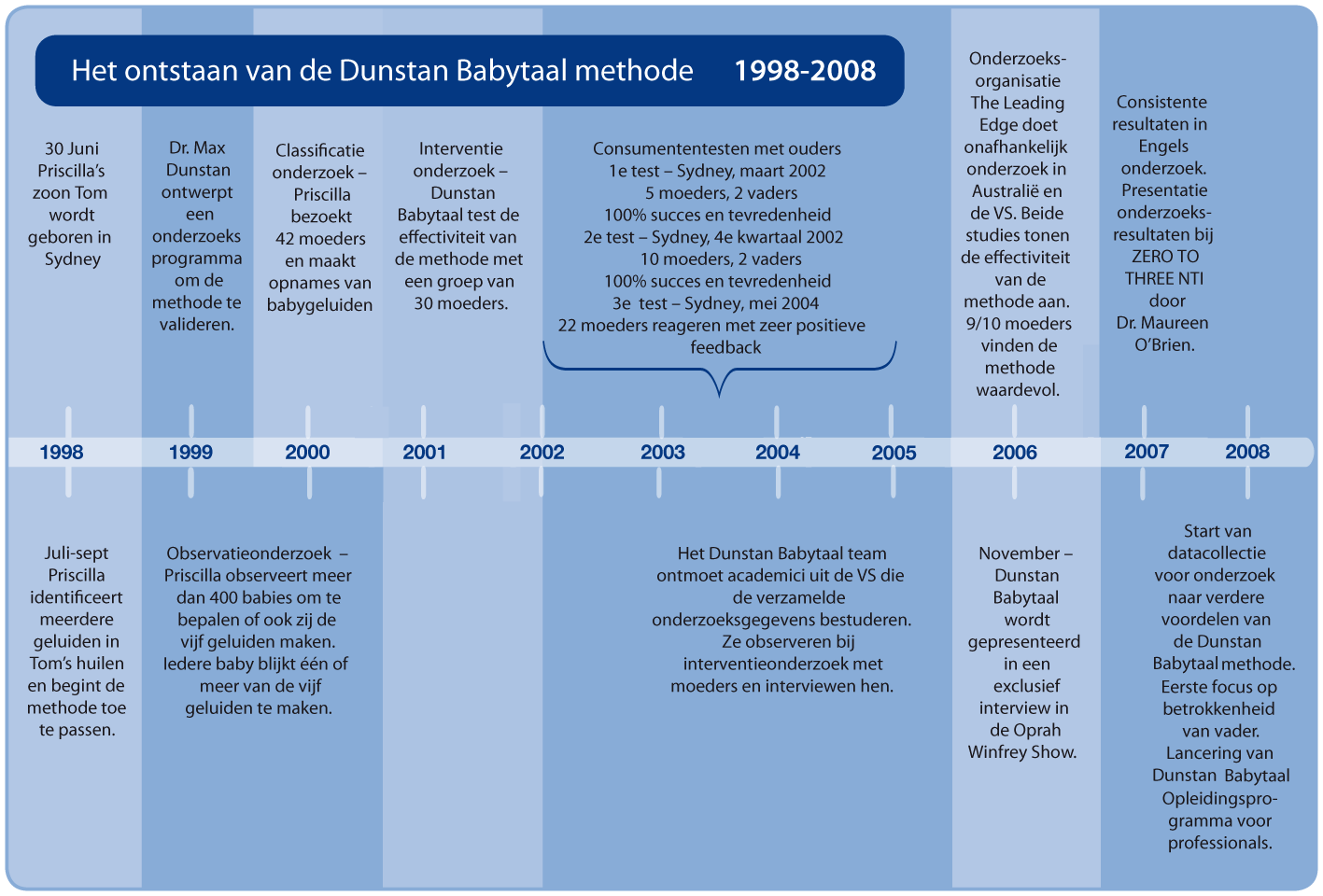
In 1998, Priscilla became the mother of a son, Tom. Thanks to her exceptional hearing, Priscilla discovered that her son Tom’s cries were not just random sounds. She kept track of the different combinations of sounds in a journal and noticed that each sound was linked to a specific need. By recognizing the sound, she knew what she could do to comfort him again.

Priscilla Dunstan
Priscilla Dunstan

Research

After her own experiences with Tom, Priscilla’s theory was tested on more than a thousand babies from over thirty nationalities. For nine years, observations and tests were carried out, supplemented by three major international studies. All three studies confirmed the existence of the universal reflex sounds. 


Dunstan Baby Language has been thoroughly researched since 1998. The research involved more than a thousand babies and their parents from seven different countries and over thirty different nationalities. Scientific research was conducted in Australia, the United States and Great Britain in 2006 and 2007. Research is also ongoing in the Netherlands. In the summer of 2024, a study was completed at the University of Amsterdam. It examined whether applying the method has an effect on mothers and, if so, what that effect is.

Research findings

1.

Baby cries less and settles more quickly

2.

Parents experience less stress

3.

Parents feel more confident

4.

The situation is under control sooner

5.

Better parent-child relationship

6.

A better relationship between parents

7.

Improved feeding outcomes

8.

Less interrupted sleep for baby (and parents)

Dunstan Babytaal onderzoek